
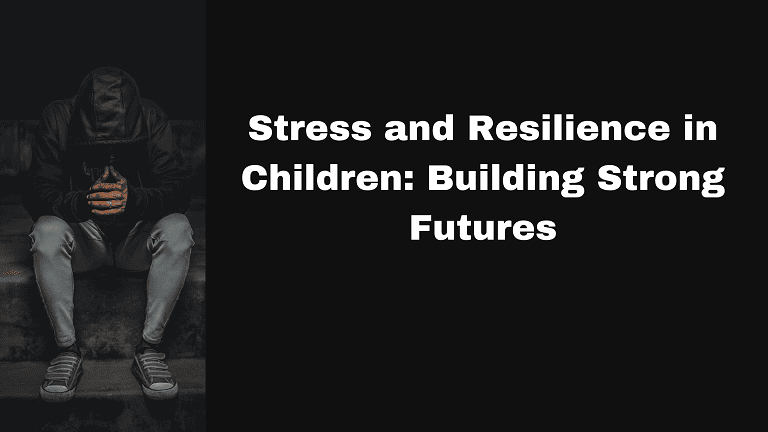
Stress and Resilience in Children: Building Strong Futures
Childhood is often seen as a carefree phase of life, but the reality is different. Children today face many sources of stress—from academic pressure and social expectations to family changes and digital overload. While some stress is a natural part of growing up, unmanaged or constant stress can affect a child’s emotional, mental, and physical well-being.
The key to helping children thrive is not eliminating stress completely, but building resilience. Resilience allows children to cope with challenges, recover from setbacks, and grow into confident, emotionally strong adults. By supporting resilience early in life, we help build strong futures.
Understanding Stress in Children
Stress in children may look different from stress in adults. Children often lack the language to express what they are feeling, so stress may show up through behavior rather than words.
Common signs of stress in children include:
Irritability or frequent mood changes
Difficulty sleeping
Loss of interest in activities
Physical complaints like headaches or stomachaches
Changes in eating habits
Withdrawal or clinginess
Stress can come from many sources, such as school pressure, exams, peer relationships, bullying, parental conflict, major life changes, or unrealistic expectations.
Is Stress Always Harmful for Children?
Not all stress is harmful. Mild, short-term stress can help children learn problem-solving, responsibility, and emotional regulation. For example, preparing for a test or learning to manage a new routine can build confidence.
Problems arise when stress becomes chronic or overwhelming. Prolonged stress without proper support can affect brain development, emotional regulation, and self-esteem. This is where resilience plays a critical role.
What Is Resilience in Children?
Resilience is the ability to adapt, cope, and recover from challenges. A resilient child is not one who never struggles, but one who learns how to handle difficulties with support and confidence.
Resilience helps children:
Manage emotions effectively
Develop problem-solving skills
Build healthy relationships
Maintain self-belief during challenges
Learn from failure rather than fear it
Resilience is not a fixed trait—it can be taught, nurtured, and strengthened over time.
The Role of Parents and Caregivers
Parents and caregivers play a vital role in shaping how children respond to stress. Children often learn coping skills by observing adults.
Supportive parenting includes:
Listening without judgment
Validating emotions
Offering guidance rather than control
Providing consistency and routine
Encouraging independence
When children feel emotionally safe, they are more likely to express stress and seek help.
Teaching Emotional Awareness
One of the foundations of resilience is emotional awareness. Children need to understand that emotions—positive or negative—are normal.
Helping children name and talk about their feelings reduces emotional confusion and stress. Simple conversations like “I see you’re feeling upset” or “It’s okay to feel nervous” teach children that emotions are manageable, not something to fear.
Building Problem-Solving Skills
Resilient children learn how to approach problems instead of avoiding them. Rather than immediately fixing every issue for a child, guiding them through solutions builds confidence.
Asking questions like:
“What do you think might help?”
“What could you try next time?”
This approach empowers children and reduces stress by giving them a sense of control.
Encouraging Healthy Coping Strategies
Children need healthy ways to release stress. These strategies may differ depending on age and personality, but common coping tools include:
Physical activity and play
Creative expression like drawing or music
Deep breathing or relaxation exercises
Spending time outdoors
Talking to a trusted adult
Teaching coping skills early helps children rely less on avoidance or emotional outbursts.
The Importance of Routine and Stability
Predictability reduces stress in children. Consistent routines around sleep, meals, homework, and family time create a sense of safety.
When children know what to expect, they feel more secure and better equipped to handle challenges. Even during difficult times, maintaining some structure supports emotional stability.
Resilience Through Positive Relationships
Strong relationships are a powerful buffer against stress. Support from parents, teachers, friends, and mentors helps children feel valued and understood.
Positive relationships teach children that they are not alone when facing difficulties. This emotional support strengthens resilience and reduces the long-term impact of stress.
Allowing Children to Experience Failure
Protecting children from all stress and failure may seem helpful, but it can limit resilience. Small failures teach valuable lessons about effort, patience, and perseverance.
When adults respond calmly to mistakes and focus on learning rather than punishment, children develop confidence and emotional strength.
Building Strong Futures Through Resilience
Stress is a part of life, and children cannot be shielded from every challenge. What truly prepares them for the future is resilience—the ability to face stress, adapt, and move forward.
By teaching emotional awareness, healthy coping skills, problem-solving, and self-belief, we give children the tools they need to grow into capable, confident adults. A resilient childhood lays the foundation for lifelong mental well-being and success.
Frequently Asked Questions (FAQs)
- What causes stress in children?
Stress in children can come from school pressure, social challenges, family changes, or high expectations.
- How can I tell if my child is stressed?
Signs include mood changes, sleep problems, physical complaints, withdrawal, or behavioral changes.
- Is stress normal for children?
Yes. Mild stress is normal and can support learning, but chronic stress needs attention.
- What is resilience in children?
Resilience is the ability to cope with challenges, recover from setbacks, and adapt positively.
- Can resilience be taught?
Yes. Resilience develops through support, guidance, and healthy coping experiences.
- How can parents help children manage stress?
By listening, validating emotions, maintaining routines, and teaching coping skills.
- Should children be protected from all stress?
No. Experiencing manageable stress helps children build confidence and problem-solving skills.
- How does routine help reduce stress?
Routine creates predictability and security, which helps children feel safe and calm.
- What coping strategies work best for children?
Play, physical activity, creative expression, relaxation, and emotional support.
- Why is resilience important for the future?
Resilience helps children handle life’s challenges, maintain mental health, and build confidence.
Thanks for visiting – Depression Stress Anxiety