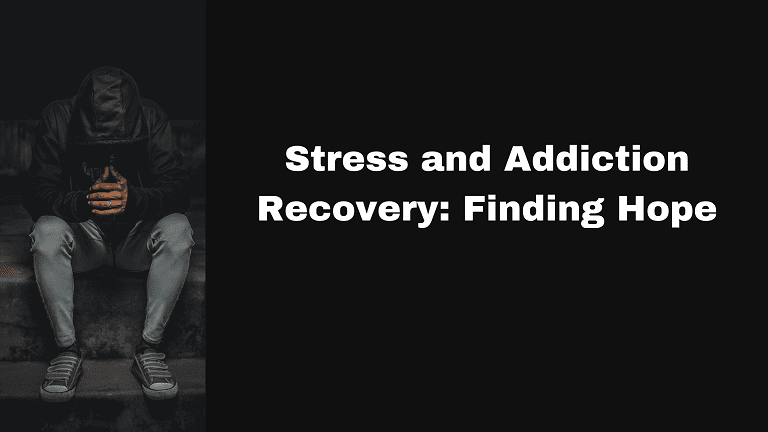
Stress and Addiction Recovery: Finding Hope
Stress and addiction are deeply connected. For many people, stress is not just an uncomfortable feeling—it becomes a trigger that leads to substance use or addictive behaviors. During recovery, stress can feel even more intense, making the journey challenging and emotionally demanding. Yet, despite these difficulties, recovery is possible, and hope plays a crucial role in healing.
Understanding how stress affects addiction recovery and learning healthy ways to cope can help individuals regain control, rebuild their lives, and move forward with confidence.
The Link Between Stress and Addiction
Stress is one of the most common factors linked to the development of addiction. People often turn to substances or addictive behaviors as a way to escape emotional pain, pressure, or unresolved trauma. Alcohol, drugs, gambling, or excessive screen use may temporarily numb stress, but they ultimately worsen it.
Over time, the brain begins to associate relief with the addictive behavior. This creates a cycle where stress increases cravings, and addiction increases stress. Breaking this cycle is one of the biggest challenges in recovery.
Stress During Addiction Recovery
Recovery does not eliminate stress overnight. In fact, early recovery can feel especially stressful. Individuals may face:
Withdrawal symptoms
Emotional instability
Guilt or shame about the past
Relationship repair challenges
Financial or work-related pressure
Without the familiar coping mechanism of substance use, stress can feel overwhelming. This is a vulnerable stage, but it is also where growth begins.
Why Stress Can Trigger Relapse
Stress is one of the leading causes of relapse. When stress builds up and healthy coping skills are not yet fully developed, the urge to return to old habits can feel strong.
Relapse does not mean failure. It often signals unmet emotional needs or unaddressed stressors. Understanding this reduces self-blame and allows individuals to refocus on recovery rather than give up.
The Importance of Healthy Coping Skills
Learning new ways to handle stress is essential for long-term recovery. Healthy coping skills replace harmful behaviors and strengthen emotional resilience.
Effective stress-management tools in recovery may include:
Mindfulness and deep breathing
Physical activity or yoga
Journaling emotions
Structured routines
Talking to a trusted person
These tools do not remove stress, but they make it manageable.
Emotional Healing and Self-Compassion
Addiction recovery is not just about stopping a behavior—it is about emotional healing. Many people in recovery carry deep feelings of shame, regret, or self-judgment, which increase stress.
Self-compassion is a powerful antidote. Treating yourself with kindness during difficult moments reduces emotional pressure and builds inner strength. Recovery is a process, not a test of perfection.
The Role of Support Systems
No one recovers alone. Support systems play a vital role in managing stress during recovery. This support may come from:
Family and friends
Support groups
Counselors or therapists
Recovery communities
Sharing struggles openly reduces isolation and reminds individuals that they are not alone in their journey.
Finding Hope in Small Wins
Hope is not always dramatic or immediate. In recovery, hope often appears in small moments—one sober day, a healthier response to stress, a repaired relationship, or improved sleep.
Celebrating progress, no matter how small, builds motivation and confidence. These small wins accumulate and create long-term change.
Rebuilding Life After Addiction
Recovery offers an opportunity to rebuild life on healthier foundations. This may involve setting new goals, rediscovering interests, or creating meaningful routines.
As individuals learn to manage stress without addiction, they gain a sense of control and purpose. Life may still be challenging, but it becomes more authentic and fulfilling.
Stress Does Not Mean Weakness
Feeling stressed during recovery does not mean someone is weak or failing. Stress is a normal human response, especially during major life changes.
Recognizing stress as part of healing allows individuals to respond with awareness instead of fear. Each stressful moment handled without addiction strengthens recovery.
Choosing Hope Every Day
Hope is not the absence of struggle—it is the belief that change is possible despite struggle. Recovery is built on daily choices, patience, and resilience.
With the right support, coping tools, and mindset, stress no longer controls the future. Instead, it becomes something that can be faced, managed, and overcome. Addiction recovery is not just about surviving—it is about finding hope and creating a better life.
Frequently Asked Questions (FAQs)
- How is stress related to addiction?
Stress often triggers addictive behaviors as a way to cope or escape emotional discomfort.
- Is stress common during addiction recovery?
Yes. Recovery involves major physical and emotional changes, which can temporarily increase stress.
- Can stress cause relapse?
Yes. Stress is a common relapse trigger, especially if healthy coping skills are not in place.
- Does relapse mean recovery has failed?
No. Relapse is often part of the recovery process and can be a learning opportunity.
- How can stress be managed during recovery?
Through healthy coping tools such as mindfulness, exercise, routine, and emotional support.
- Why is self-compassion important in recovery?
Self-compassion reduces shame and emotional pressure, supporting long-term healing.
- How does support help reduce stress?
Support provides understanding, accountability, and emotional relief during difficult times.
- Can addiction recovery improve stress management?
Yes. Recovery helps individuals develop healthier ways to handle stress over time.
- Is it normal to feel overwhelmed in early recovery?
Absolutely. Feeling overwhelmed is common and does not mean recovery is failing.
- What gives hope during addiction recovery?
Progress, support, self-growth, and learning to cope with stress in healthier ways.
Thanks for visiting – Depression Stress Anxiety