
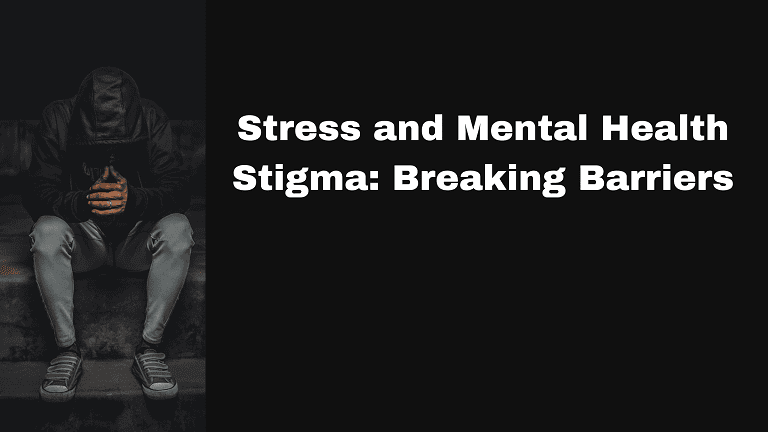
Stress and Mental Health Stigma: Breaking Barriers
In today’s fast-paced world, stress has quietly become a part of everyday life. From work pressure and financial worries to relationship challenges and social expectations, almost everyone experiences stress at some level.
Yet, when stress begins to affect mental health, many people hesitate to talk about it. The reason is not a lack of awareness, but the presence of mental health stigma.
Mental health stigma creates invisible barriers that stop people from seeking help, sharing their feelings, or even acknowledging their struggles. To truly address stress and improve overall well-being, it is essential to break these barriers and create a culture of understanding, empathy, and support.
Understanding Stress and Its Impact on Mental Health
Stress is the body’s natural response to challenges or demands. In small amounts, stress can be helpful, motivating us to perform better or stay alert. However, chronic stress can seriously harm mental and physical health.
Long-term stress is linked to conditions such as anxiety, depression, sleep disorders, high blood pressure, and weakened immunity. Emotionally, it can lead to irritability, lack of concentration, low self-esteem, and feelings of helplessness. When stress is ignored or suppressed due to stigma, its impact becomes even more severe.
What Is Mental Health Stigma?
Mental health stigma refers to negative attitudes, stereotypes, and misconceptions about mental health conditions and those experiencing them. People struggling with stress, anxiety, or depression are often labeled as “weak,” “overreacting,” or “unable to cope.”
This stigma exists at different levels:
Social stigma, where society judges or isolates individuals
Self-stigma, where people internalize shame and blame themselves
Institutional stigma, where systems fail to provide adequate support
Because of stigma, many individuals choose silence over support, worsening their mental health over time.
How Stigma Worsens Stress
Mental health stigma does not just prevent conversations—it intensifies stress. When people feel judged or misunderstood, they may hide their emotions, avoid professional help, and push themselves beyond their limits.
This creates a vicious cycle. Stress increases mental health challenges, stigma prevents help-seeking, and untreated issues lead to more stress. Breaking this cycle requires changing how we talk about mental health and how we treat those who are struggling.
The Role of Culture and Society
In many cultures, including traditional and family-oriented societies, mental health issues are still considered taboo. People are often encouraged to “stay strong” or “deal with it on their own.” While resilience is valuable, ignoring emotional pain can be damaging.
Workplaces also play a role. Fear of being judged, sidelined, or seen as incompetent prevents employees from discussing stress or burnout. Schools and colleges may overlook emotional well-being while focusing solely on academic performance.
Changing societal attitudes is not easy, but it is necessary for long-term mental health improvement.
Breaking Barriers Through Awareness and Education
One of the most effective ways to reduce mental health stigma is education. When people understand that mental health conditions are real, common, and treatable, fear and judgment begin to fade.
Open conversations, awareness campaigns, and accurate information can normalize discussions about stress and mental health. Sharing personal stories, especially from public figures or community leaders, also helps people feel less alone and more willing to seek help.
The Importance of Talking About Stress
Talking openly about stress does not mean complaining or seeking attention. It means acknowledging human limits and emotional needs. When individuals share their experiences, they create space for others to do the same.
Supportive conversations with friends, family, or colleagues can reduce emotional burden and provide perspective. Professional support from counselors, psychologists, or mental health professionals can offer tools to manage stress effectively.
Creating Supportive Environments
Breaking mental health stigma requires effort from individuals, families, workplaces, and communities. Simple actions can make a big difference:
Listening without judgment
Using respectful language
Encouraging help-seeking
Promoting work-life balance
Including mental health in wellness programs
When people feel safe and supported, they are more likely to address stress early rather than letting it escalate.
Self-Compassion and Personal Responsibility
While society plays a major role, individuals also need to practice self-compassion. Experiencing stress or mental health challenges does not mean failure. It means being human.
Recognizing early signs of stress, setting boundaries, prioritizing rest, and seeking help when needed are acts of strength, not weakness. Challenging internalized stigma is a powerful step toward healing.
Moving Toward a Stigma-Free Future
Breaking barriers around stress and mental health stigma is not a one-time effort. It is an ongoing process that requires empathy, education, and openness. Every conversation matters. Every supportive response counts.
By treating mental health with the same importance as physical health, we can create a world where people feel comfortable asking for help, managing stress, and living healthier, more balanced lives.
Frequently Asked Questions (FAQs)
- What is mental health stigma?
Mental health stigma refers to negative beliefs, attitudes, and stereotypes about mental health conditions that lead to discrimination, shame, or silence.
- How does stress affect mental health?
Chronic stress can lead to anxiety, depression, sleep problems, emotional exhaustion, and reduced ability to cope with daily life.
- Why do people avoid talking about mental health?
Many people fear judgment, misunderstanding, or being labeled as weak, which prevents them from opening up.
- Is stress a sign of weakness?
No. Stress is a natural response to challenges. Everyone experiences it, and managing stress is a sign of self-awareness and strength.
- How can stigma increase mental health problems?
Stigma discourages people from seeking help, leading to untreated stress and worsening mental health conditions.
- What role does education play in reducing stigma?
Education helps people understand that mental health issues are common and treatable, reducing fear and misconceptions.
- How can workplaces help reduce mental health stigma?
Workplaces can promote open dialogue, offer mental health resources, encourage breaks, and support work-life balance.
- When should someone seek professional help for stress?
If stress feels overwhelming, lasts for a long time, or interferes with daily life, seeking professional help is recommended.
- How can individuals support someone dealing with stress?
By listening without judgment, offering empathy, and encouraging them to seek help if needed.
- What is the first step to breaking mental health stigma?
Starting honest conversations and treating mental health with the same respect as physical health.
Thanks for visiting – Depression Stress Anxiety